Fire Alarm System for Home and Businesses
March 12, 2026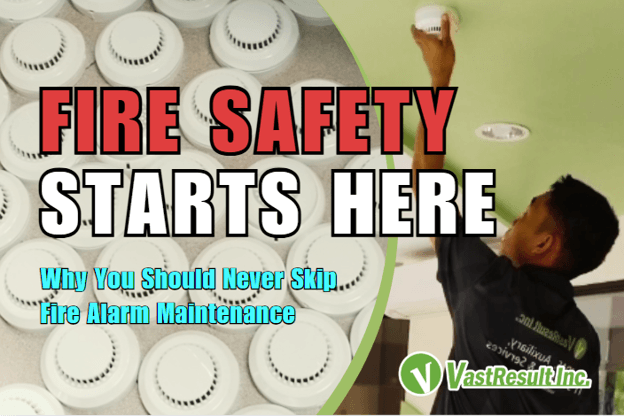
Fire Safety Starts Here: Why You Should Never Skip Fire Alarm Maintenance
March 12, 2026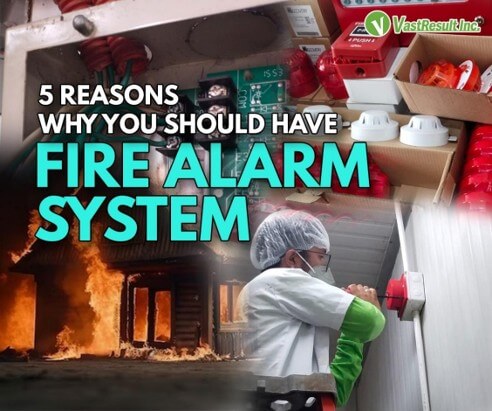
5 Reasons Why You Should Have Fire Alarm System
Incidents of fire increased by 13% in just the first month of 2024, based on the Bureau of Fire Protection (BFP) in the Philippines. This number does not take into account the victims’ pain, trauma, injuries, or loss of life. Here are five reasons you to convince you to install a fire detection and alarm system if you’re looking for specific reasons; the figures are just meant to be a starting point.
Protects Life
The daily lives and happiness of its citizens are the most objectively important things that any society, organization, or company can ever prioritize to protect and safeguard. These people are the primary source of income for these communities since without them, they wouldn’t have come about in the first place.
Unwanted fires often go undetected when they start or are barely observed at all, depending on how serious they are. sadly, because of how quickly the fire spreads and how much damage it has caused, most of the time when the individuals within those buildings discover the fire, it is too late. This significantly lowers the residents’ chances of escaping and surviving.
If an establishment is residential, business, or industrial, having a fire detection system set up is essential to protecting everyone within and maintaining the structure as a whole. To avoid damage and save lives, proper installation is necessary. Detecting fires is, in basic terms, a life-or-death situation.
According to the survey, 96% of students learned the basics of fire safety through school promotion and fire drills, instead of through active learning; 68% of students even thought that fires are distant and only needed limited attention to avoid; 61% of students did not take the school’s fire safety exercise and propaganda seriously, as well as did they take the practical applications of the security concept into consideration. By establishing the school dorms downstairs and the restaurant’s fire department operating desk, which was set up fifteen times in total by three groups. Additionally, a survey of the use of gas masks, fire extinguishers, fire grille switches, fire knots, fire hose nozzles, and fire alarms was conducted. The results revealed that 62% of students had seen the equipment but had never used it; 70% of students had read the directions on the firefighting equipment; and 32% of students were unable to do the task quickly and precisely.
Secures properties
While the monetary loss caused by fire-damaged property might not seem significant at first, thousands of individual losses including those of cars, homes, businesses, personal belongings, and sentimental items are reflected in that figure. People appreciate these items, and losing them would be terrible particularly when installing effective fire detection and alarm systems can easily prevent such losses. Being afraid of losing everything you own and value, whether in your residence or place of business, increases the significance of taking precautions to prevent fires.
Facts about Secured Properties and Fire Alarm Systems in the Philippines:
- Legislation and Regulations: Building prevention and fire safety are governed by laws and regulations in the Philippines. To protect people and property, they have requirements for the installation of fire alarm systems in public, commercial, and residential spaces.
- Urbanization and Infrastructure Development: Building fire alarm systems is becoming more and more necessary in the Philippines due to the country’s rapid urbanization and infrastructure development. There is a growing need to protect buildings from fire threats and ensure the safety of residents and employees as cities and populations develop.
- Variety of Fire Alarm Systems: There are various types of fire alarm systems available in the Philippines, ranging from basic smoke detectors to more advanced systems with integrated features such as heat sensors, manual call points, and automatic suppression systems. These systems are designed to detect fires early, alert occupants, and initiate emergency response procedures.
- Importance of Regular Maintenance: In fire alarm systems to keep being effective, regular maintenance and inspection are required. To comply with rules, and avoid malfunctions or false alarms, establishments must regularly test, service, and maintain these devices.
- Role of Fire Protection Authorities: In the Philippines, fire protection officials are essential in maintaining fire safety regulations and instructions. In addition to providing licenses and conducting inspections, they also advise managers and property owners on fire safety security measures, such as setting up and maintaining fire alarm systems.
A new structure filled with offices is located in the crowded center of Metro Manila. Every day, workers for big companies type away at their desks there. On one of the higher levels, something goes wrong early one morning. A fire has started as a result of some damaged wiring. The air begins to thicken with smoke, making breathing difficult. Fortunately, though, the structure is equipped with an original system that monitors fires. To alert everyone to the need to exit safely, it starts to beep loudly. Employees are aware of what to do. They exit the building by taking an easy stroll to the nearest set of stairs. The people who make sure everyone escapes safely are known as fire wardens.
The firefighters are called in at the same moment by the building’s security employees. To put out the fire, they hurry over with their trucks and equipment. Everyone escapes safely because of the fire alarm’s quick response and everyone’s commitment to the evacuation plan. Firefighters work quickly to contain the fire before it becomes too big. Subsequently, the authorities investigate the possible causes of the incident. Their goal is to avoid it from happening in the future. The entire incident demonstrates how crucial it is for large buildings to have reliable fire alarms to protect people.
Ongoing Security
Some people may believe that since they can use a fire extinguisher to put out possible fires, they don’t need a fire detection or alarm system. They can also be concerned with the possibility of misunderstandings and the difficulties they could bring about. But people are fallible and might not always be around to witness a fire in its earliest phases. To create a thorough, ongoing safety system, fire detection and alarm systems are the first line of defense. Other fire protection and suppression systems, such as fire sprinklers, should be added to them.
A fire alarm system is an essential component of any building, using advanced sensors to warn residents of approaching fire. When the system receives information from these sensors, it sounds an alert to give people advance notice. Its main purpose is to make evacuations easier by giving every resident precise information. To facilitate prompt action, the system can also communicate with emergency services or monitoring stations. Because it recognizes the limitations of human vision and promotes a complete safety plan which includes showers and fire detection and alarm systems with other measures, the system’s security is essential.
The technical safety features of a fire alarm system include several measures designed to guarantee the system’s dependability, durability, and effectiveness in recognizing and dealing with fire-related risks. Here are some important technical details to remember:
- Tamper Resistance: Control panels, sensors, and notification devices are among the fire alarm components that are made resistant to tampering or unauthorized access. To stop tampering with the system’s operation, physical protections like locking mechanisms or tamper-resistant enclosures may be needed.
- Redundancy: Redundancy is often built into essential fire alarm system components to reduce the risk of a system failure. This can include redundant communication paths to reliably relay alarm signals as well as multiple power supplies, such as backup batteries or generators, to ensure ongoing operation during power outages.
- Monitoring and Diagnostics: Current fire alarm systems include with diagnostic and monitoring features that quickly detect errors or failures. These systems alert operators of any issues that might compromise the system’s operation by continually monitoring the condition of sensors, components, and communication channels.
- Authentication and Encryption: Identity and protocols for encryption can be used by fire alarm systems to protect communication between system components and stop illegal access or tampering. Restricting access and control to the system to just authorized workers, lowers the possibility of harmful interference.
- Supervision and Testing: To ensure the fire alarm system’s going on trustworthiness and conformity to safety regulations, regular inspection and control are essential. This involves performing routine maintenance and inspections of the system to identify and resolve any possible problems early on, as well as testing the sensors, alarms, and communication channels regularly.
- Integration with Building Systems: To improve overall security and emergency response capabilities, fire alarm systems typically connect with other building systems, such as access control, HVAC, and lighting systems. In the case of a fire, synchronized measures are made possible by the integration, including turning on smoke dampers, opening exit doors, and changing HVAC systems to help in the evacuation and control of the fire.
Respect for Regulations
By avoiding and regulating fires, the Philippines’ Bureau of Fire Protection and Republic Act 9514, popularly known as the Fire Code of the Philippines, serve to protect people’s lives, property, and economic development. People’s safety and well-being are the reasons behind these laws and regulations; therefore, they must abide by them.
For this reason, you should be able to observe a fire detection and alarm system in place in practically every building in the nation.
Mandates and Functions
By RA 6975, the Bureau of Fire Protection was established with the primary goals of carrying out the following duties:
- Take charge of putting out and controlling any destructive fires on:
constructing homes and other buildings;
woods;
equipment and land vehicles;
ships and other vessels berthed at major seaport piers or wharves;
installations for the petroleum industry;
plane disasters; and
Other comparable projects
- Be in charge of maintaining other relevant laws including the Philippine Fire Code (PD 1185);
- Has the authority to look into all fire causes and, if required, to file a suitable complaint with the local or provincial prosecutor in charge of the case;
- When a national emergency arises, all BFP components will, at the president’s order, help the AFP handle the situation; and
- Subject to standard rules and regulations as may be published by the Department of the Interior and Local Government (DILG), each provincial capital, city, and municipality shall establish at least one (1) fire station with adequate employees, firefighting facilities, and equipment (Sec 56).
Relieves pressure
One important reason a fire alarm system is necessary is to prevent pressure. These devices operate as preventive defenses against the uncertainty and devastation that fires may cause. Fire alarm systems alert residents to the presence of smoke or heat, which are early warning signs of a fire. This gives residents critical time to react calmly and safely evacuate. Early detection reduces the stress of dealing with an unexpected disaster by giving assurance that procedures are in place to deal with fire hazards quickly and efficiently. Furthermore, by using auditory and visual signals to indicate quick action, fire alarm systems lessen panic and promote a systematic evacuation procedure. All things thought about, having a fire alarm system gives building people peace of mind because it shows that preventative efforts are taken to reduce the risk of fires and ensure their protection.
Preventive Pressure may reduce strain and improve safety in the context of fire alarm systems in several ways:
-
- Early Detection: Fire alarm systems are made to detect fire signs, such as heat or smoke, as soon as possible. These systems help with avoiding pressure from building up during emergencies by providing early alerts. Early notice reduces the risk of fear and confusion by allowing occupants to react quickly.
- Swift Response: Fire alarm systems sound both auditory and visual warnings to alert residents to evacuate when a fire is detected. This quick reaction ensures that people can leave the building safely and quickly, preventing pressure by enabling organized and effective evacuations.
- Reduced Panic: The immediate and apparent warning that fire alarm systems provide residents lessens worry. These technologies reduce the impact of uncertainty and fear by alerting residents to the presence of a fire and initiating evacuation procedures, allowing them to react to the disaster calmly and rationally.
- Facilitated Communication: To alert residents of critical information, fire alarm systems often include communication devices such as intercoms or emergency notification systems. By providing guidance and information during emergencies, clear communication helps reduce pressure by enabling residents to stay informed and successfully follow evacuation guidelines.
- Prevention of Spread: Fire alarm systems help prevent the spread of smoke and fire throughout the building by quickly detecting fires and starting the evacuation process. This preventive measure reduces the possibility of uncontrolled fires resulting in injuries, property damage, and fatalities, thus relieving pressure.
Fire alarm systems are preventive measures that help ensure the safety and well-being of building residents by reducing fear, enabling efficient communication, detecting fires early, and allowing quick reactions. Fire alarm systems help reduce pressure during emergencies and create a safer environment for all residents by putting these preventive measures into place.
Given the increasing number of fire situations, installing a fire alarm system is essential. Beyond mere regulatory compliance, these systems work as preventative measures to protect property and lives. These systems serve an essential part in providing ongoing safety and security for residents by quickly recognizing fires, allowing fast evacuation, and reducing the uncertainty associated with unforeseen disasters. Also, the technical difficulties of fire alarm systems such as their integration with building systems and resistance to tampering support their effectiveness in reducing the risk of fire and maintaining regulatory standards. In the end, spending money on a dependable fire alarm system not only reduces possible losses but also shows that any institution or building prioritizes the safety and well-being of its residents.
As a fire alarm contractor, VastResult Inc. is dedicated to helping its clients install safe fire detection and alarm systems that closely adhere to BFP regulations to protect everyone who lives, works, or visits their building premises from unexpected fire incidents. We approach new technologies and methods using a progressive mindset, providing our clients with excellent goods and systems that are expandable and upgraded as needed. Since life, our clients, and most importantly their hard-earned money are essential to us, we strive to provide better solutions and difficulties that may develop in the future in order to protect their business and the lives of their people.