The Role of Solar Energy in a Sustainable Energy


As the world faces growing concerns over climate change, rising fuel costs, and resource depletion, the need for a clean, reliable, and sustainable energy solution has never been more urgent. In this global effort to transition toward sustainability, solar energy stands at the forefront.
More than just a renewable resource, solar power represents a fundamental shift in how we produce and consume electricity—ushering in a cleaner, more equitable future for generations to come.
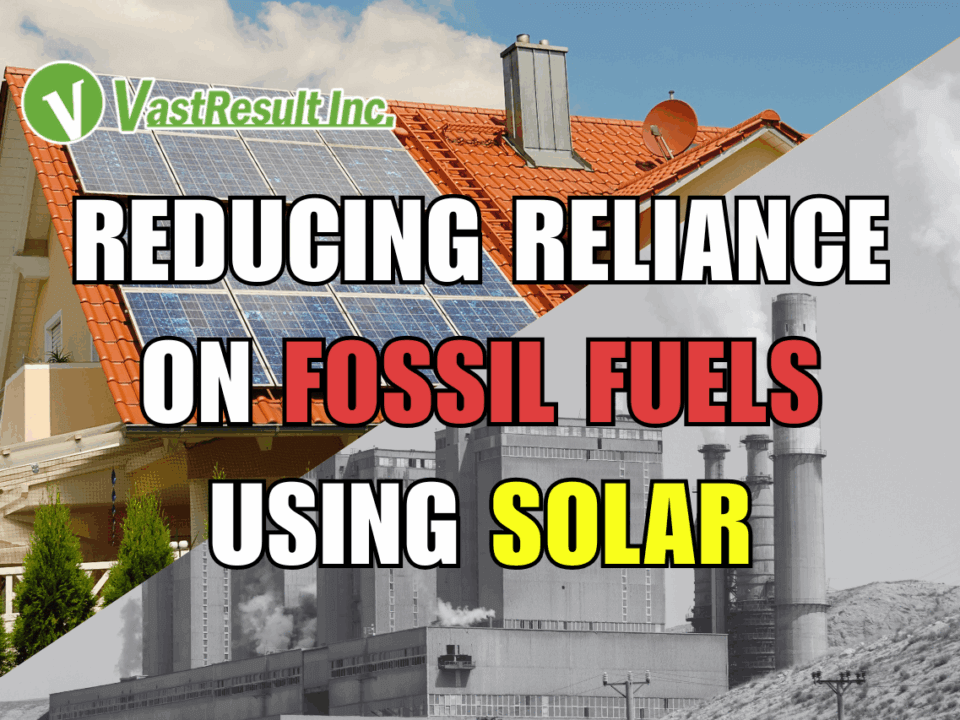
For decades, fossil fuels have powered the modern world. But this dependence has come at a steep price—carbon emissions, pollution, and environmental degradation. Solar energy offers a path forward that doesn’t sacrifice progress for the planet’s health.
Unlike coal or natural gas, solar power generates electricity without burning anything, meaning no harmful greenhouse gases are released into the atmosphere. Every kilowatt-hour produced by solar panels directly offsets carbon emissions, helping slow the pace of climate change.
One of solar energy’s greatest strengths is its sheer abundance. The sun delivers more energy to Earth in a single hour than the world uses in an entire year. And, best of all, this energy source is free, renewable, and available everywhere—whether you’re in a bustling city or a rural village.
This accessibility makes solar not only a clean alternative, but also a powerful tool for energy equality. It allows remote communities and developing nations to tap into power without depending on expensive grid infrastructure or imported fuel.
Solar energy has sparked innovation across industries—from advanced photovoltaic (PV) technologies to smart energy management systems. As more companies invest in solar solutions, job opportunities in solar installation, engineering, manufacturing, and maintenance continue to grow.
In fact, the solar industry has become one of the fastest-growing job sectors worldwide. By investing in solar, countries aren’t just reducing emissions—they’re building resilient economies rooted in sustainable technologies.
With solar, nations and businesses gain greater control over their own energy supply. Reducing reliance on imported fuels protects economies from global price shocks and energy shortages. And, on a smaller scale, homes and businesses that generate their own solar power enjoy protection from rising electricity rates and grid outages.
In this way, solar power promotes energy resilience and self-sufficiency—two key components of a truly sustainable energy future.
Solar energy isn’t just part of the transition—it’s leading the way. From rooftop panels and solar farms to floating installations and solar-powered transportation, the technology is evolving rapidly and becoming more efficient every year.
And the best part? It scales. Whether it’s powering a small home, a corporate headquarters, or an entire city, solar energy adapts to meet different needs—cleanly and sustainably.
The shift to sustainable energy is no longer a distant goal—it’s a present-day necessity. As we look toward the future, solar energy provides more than just a solution to the climate crisis. It offers hope, resilience, and a practical way to build a better, more sustainable world.
By harnessing the power of the sun, we’re not just changing how we power our lives—we’re changing the future itself.
Contact VastResult at (02) 8404 0740 or email us at sales@vastresult.com.