
How Does Fire Alarm System Actually Work?
May 31, 2023
Understanding IP Telephony for Businesses & How IP Phone Systems Work
April 25, 2024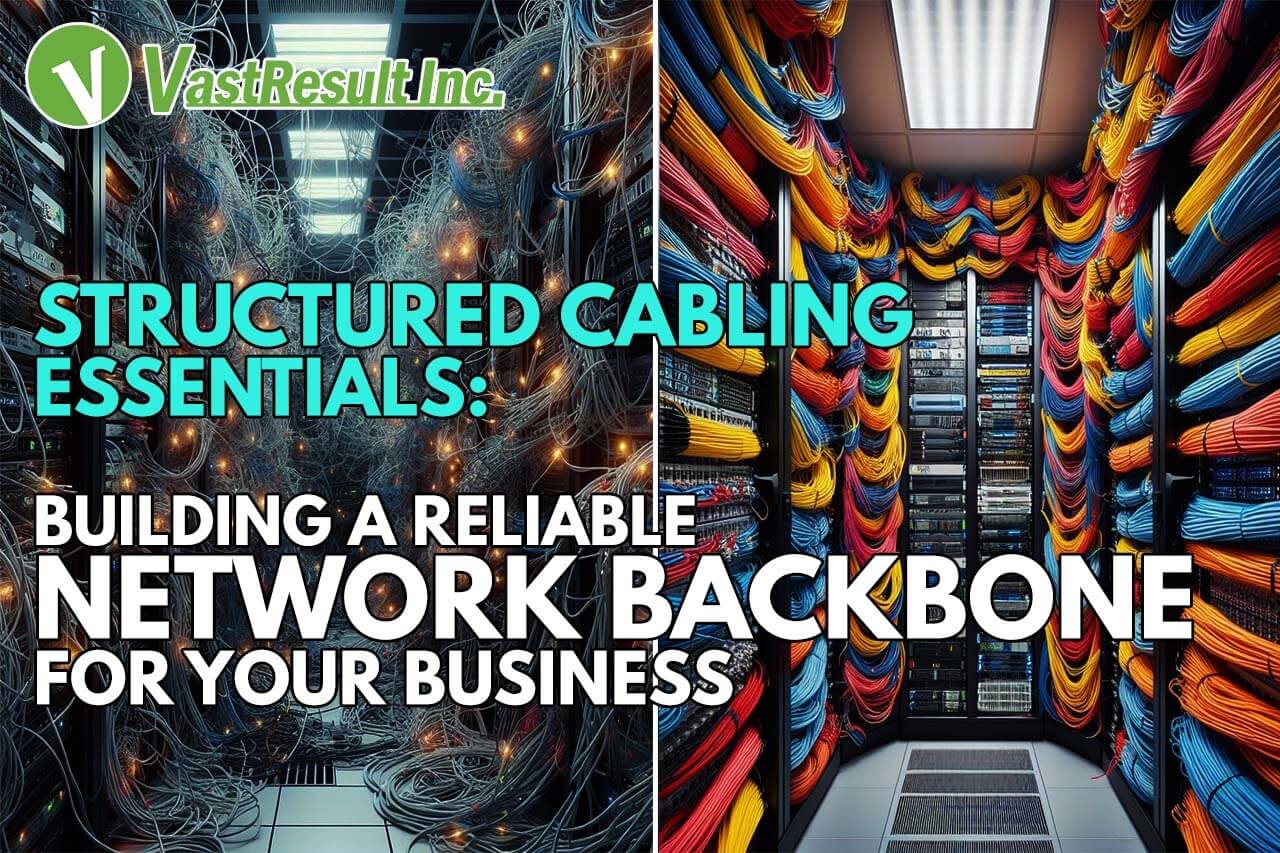
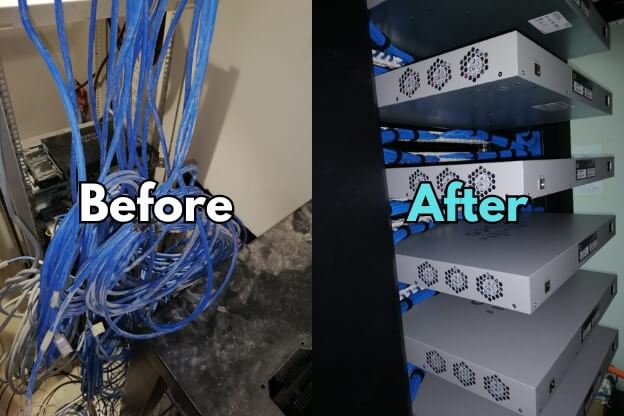
Do you think that your workplace’s server is somehow looked like in the first picture? Does it make your workplace safe? What will happen if at some point in time, you try to arrange and organize the network wires connected to your server? It will be more efficient and the workload will be lessened. Every aspect of business relies on seamless communication and data transfer, having a strong network infrastructure cabling is paramount. At the heart of this infrastructure lies structured cabling – a foundation upon which businesses build their connectivity. Even for a simple network structured cabling to an IT structured cabling management. In this article, we’ll run you through the essentials of structured cabling and why it’s crucial for establishing a reliable network backbone for your business.
Understanding Structured Cabling
Structured cabling is a standardized approach to organizing and connecting the various components of your network and cabling infrastructure. It encompasses a wide array of elements, including ethernet cables, cable managers, cable for LAN, internet cables, and more. By adhering to industry standards and best practices, structured cabling ensures efficiency, scalability, and reliability in your network wires setup
Benefits of Structured Cabling
- Reliability: Structured cabling provides a stable and dependable network infrastructure, minimizing downtime and ensuring uninterrupted business operations.
- Scalability: With structured cabling, your network can easily accommodate growth and expansion. The modular design allows for the seamless addition of new devices and technologies as your business evolves.
- Ease of Management: Properly organized cabling simplifies maintenance and troubleshooting tasks, reducing downtime and optimizing efficiency.
- Future-Proofing: By investing in structured cabling, you’re laying the groundwork for future technological advancements and upgrades, ensuring your network remains competitive and adaptable.
The Core Components
Structured cabling consists of several vital components that work together in the same environment which provides seamless data transfer within the network infrastructure. These components ensure smooth and efficient flow of data, voice, and video signals throughout the network’s organization.
-
- Ethernet Cable: Also known as network cables, Ethernet cable networking are the lifelines of modern business networks. These cables facilitate high-speed data transmission between devices such as computers, servers, switches, and routers, enabling seamless communication and collaboration. It was said that as of now, Cat5e ethernet cable can be considered as the best network cable due to its performance and being cost-effective.
- Cable Managers: Cable managers play a crucial role in maintaining the integrity of your cabling infrastructure. They provide organization, protection, and support for cables, reducing the risk of damage, tangling, and interference.
- LAN Cable: LAN cables, or Local Area Network cables, connect devices within a confined geographical area, such as an office building or campus. These cables form the backbone of your internal network, allowing for the efficient transfer of data and resources. The best LAN cable or LAN cord is made up of a wiring Cat5 cable or Cat5e cable crimped with an RJ-45 connector.
- Internet Cable: Internet cables, also referred to as internet cords or internet wire cables, establish the connection between your network and the broader internet, enabling access to online resources and services. These cords for internet can be linked to a switch and connected to multiple computers via LAN cable wirings.
How does Structured Cabling Works?
Establishing the foundation of a network structure in an organization is vital for its communication throughout the whole network. Structured cabling forms the foundation upon which an organization’s entire network infrastructure is built. It encompasses a standardized system of cables, connectors, and hardware meticulously designed to support the flow of information within the organization’s premises. This structured approach ensures reliability, scalability, and efficiency in data transmission. For efficient data communication within the organization, it should follow these basic key principles:
- Hierarchical Organization: Structured cabling follows a hierarchical and organized system. Each component is carefully planned and installed according to industry standards, ensuring maximum performance and reliability.
- Subsystems:
- Horizontal Cabling: Connects workstations to the telecommunication room.
- Backbone Cabling: Links different telecommunications rooms within a building.
- Telecommunications Rooms: Serves as distributions points for network connections.
- Work Area Components: Include wall outlets and patch panels near end-user equipment.
- Subsystems:
- Flexibility: Structured cabling accommodates various network technologies, such as Ethernet, fiber optics, and wireless. This future-proofing allows seamless integration of new technologies

The role of the Main Distribution Area or MDA, usually located in the server room, serves as the central point of connectivity and distribution within a structure cabling system. It ensures that information flows seamlessly from one point to another within the organization.
Conclusion
Structured cabling is the backbone of a reliable and efficient network wiring infrastructure for businesses of all sizes. It creates a solid foundation for efficient network infrastructure. By investing in a well-designed and organized cabling system, you’re setting your business up for success in the digital age. Whether you’re establishing a new office or upgrading your current setup, structured cabling is a fundamental component that shouldn’t be overlooked.
Leveraging VastResult Inc. Professional Services
For businesses looking to implement structured cabling or upgrade their existing infrastructure, partnering with experienced network cabling services is essential. Our professional technical team have the expertise and resources to design, install, and maintain a tailored cabling solution that meets your business needs and objectives. For telephone and cable management, our team can provide the necessary tools and equipment as needed.