Reducing Carbon Footprint Using Renewable Energy
August 27, 2025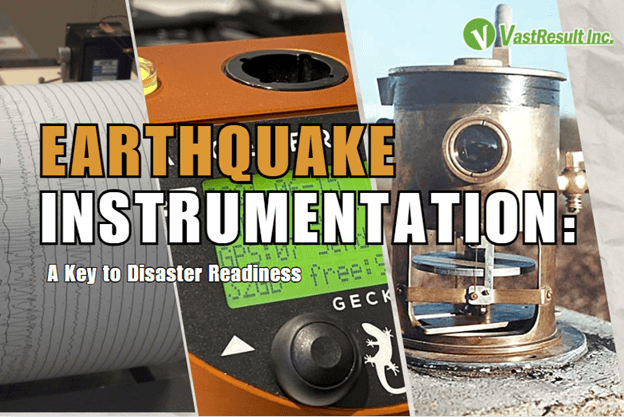
Earthquake Instrumentation: A Key to Disaster Readiness
August 27, 2025Reducing Carbon Footprint Using Renewable Energy
August 27, 2025Earthquake Instrumentation: A Key to Disaster Readiness
August 27, 2025Reducing Carbon Footprint Using Renewable Energy
August 27, 2025Earthquake Instrumentation: A Key to Disaster Readiness
August 27, 2025
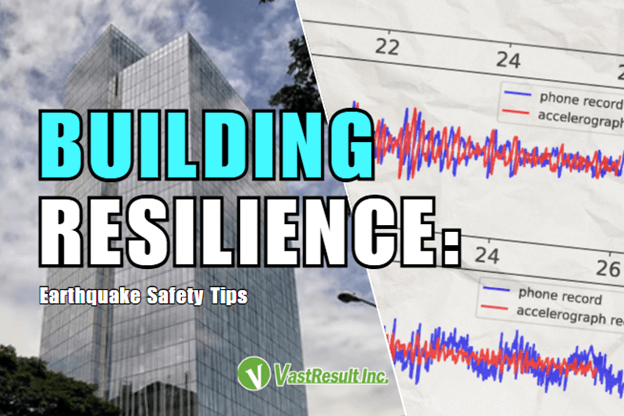
In an earthquake-prone country like the Philippines, resilience isn’t just about reacting to a disaster—it’s about preparing buildings to withstand one. With major fault lines, including the West Valley Fault, running beneath Metro Manila and other populated areas, the structural integrity of buildings is a matter of life and death.
This blog explores practical earthquake safety tips for making buildings more resilient—and how accelerographs play a vital role in understanding and strengthening building performance during earthquakes.
When a powerful earthquake strikes, the strength and design of your building can mean the difference between safety and collapse. Older buildings, poorly constructed homes, and structures not designed for seismic activity are at high risk.
Building resilience means:
While physical reinforcements are crucial, smart monitoring tools like accelerographs are becoming essential for earthquake-resilient design and post-event analysis.
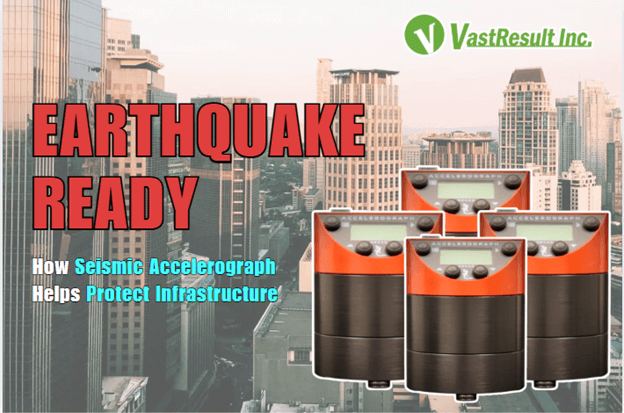
An accelerograph is a seismic instrument that records ground acceleration during an earthquake. Unlike seismographs that focus on the general movement of the Earth, accelerographs track intense shaking near structures, providing vital data on how the building behaves during the event.
Accelerographs detect how a building moves during an earthquake. This data helps determine whether a building remains safe or needs evacuation—even if it appears intact.
Post-earthquake, engineers use accelerograph data to identify which parts of a structure endured the most stress. This leads to faster, more accurate decisions on repairs or demolition.
Accelerograph data collected from multiple buildings informs updates to national building codes, making future construction more earthquake-resilient.
In commercial or multi-story buildings, accelerographs can trigger automated alerts, helping facility managers initiate lockdowns, evacuations, or shut down critical systems.
In the Philippines, PHIVOLCS encourages the installation of accelerographs in vulnerable areas—especially in Metro Manila, Baguio, Davao, and other fault-adjacent cities.
Resilient buildings aren’t just built with concrete and steel—they’re built with data, planning, and foresight.
By reinforcing physical structures and investing in smart monitoring tools like accelerographs, we create buildings that don’t just stand tall—but stay safe when the ground shakes.
💡 Let’s build smarter, safer, and stronger—starting today.
Contact VastResult at (02) 8404 0740 or email us at sales@vastresult.com.
Related posts