What We Can Learn from the 2025 Earthquake That Happened in Malaysia and Thailand
August 27, 2025
How Going Solar Can Improve Your Company’s Image
August 27, 2025What We Can Learn from the 2025 Earthquake That Happened in Malaysia and Thailand
August 27, 2025How Going Solar Can Improve Your Company’s Image
August 27, 2025What We Can Learn from the 2025 Earthquake That Happened in Malaysia and Thailand
August 27, 2025How Going Solar Can Improve Your Company’s Image
August 27, 2025
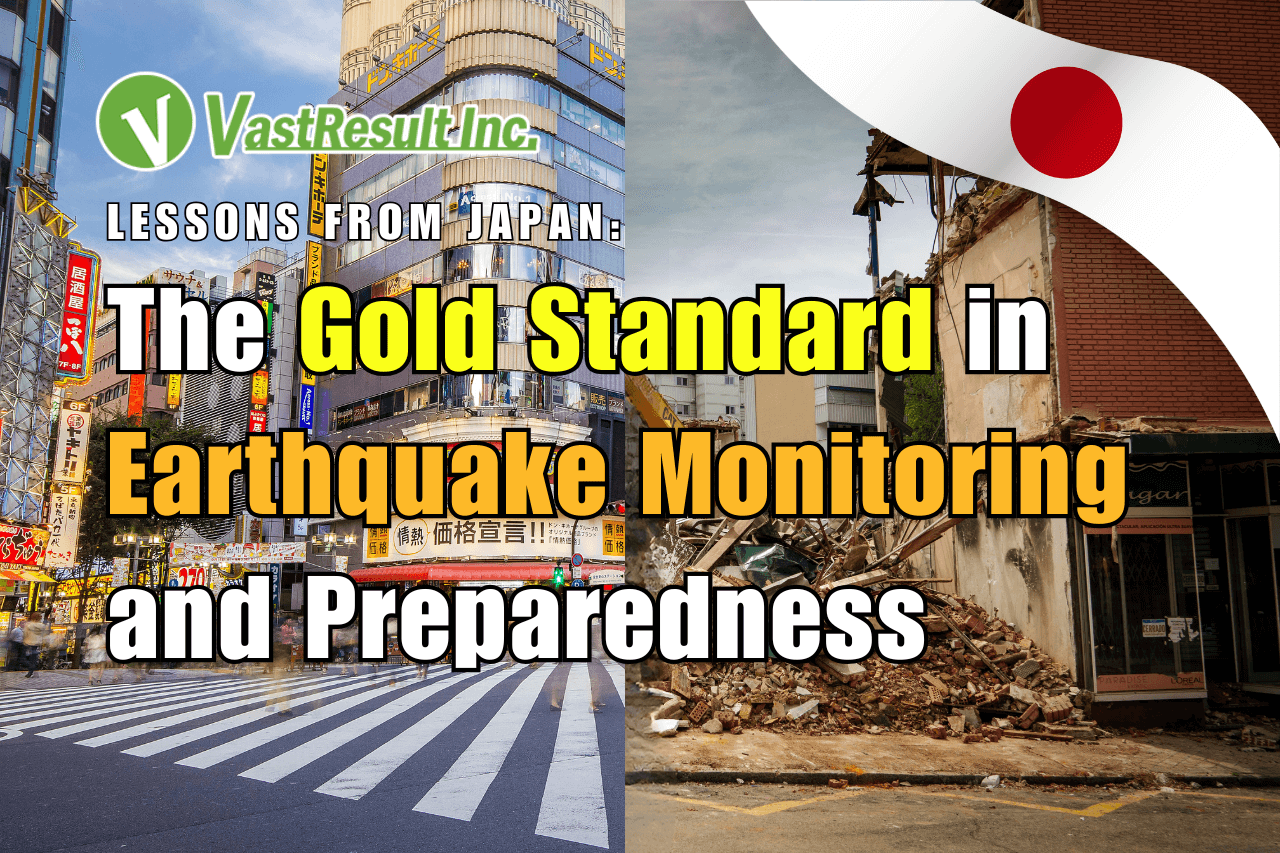
When it comes to earthquakes, no country is better prepared—or more experienced—than Japan. Sitting at the intersection of four tectonic plates, Japan faces frequent seismic activity. Yet, despite these challenges, it has become a global leader in earthquake monitoring, early warning, and disaster preparedness.
So, what can the rest of the world learn from Japan? A lot. In this post, we’ll explore how Japan turned its geographic vulnerability into a showcase of world-class resilience—and what key lessons others can apply.
One of the most striking aspects of Japan’s earthquake strategy is its cultural integration. Preparedness isn’t just policy—it’s part of everyday life.
From a young age, Japanese citizens are educated on what to do in the event of an earthquake. Regular drills are held in schools, offices, and neighborhoods. Emergency kits are common in households. Signs for evacuation routes are everywhere.
Lesson: Build a culture of safety through consistent education and public awareness. Preparedness must become second nature, not an afterthought.
Japan operates the most advanced earthquake early warning system in the world. The Japan Meteorological Agency (JMA) uses a dense network of seismic sensors (over 4,000 nationwide) to detect quakes within seconds.
When a quake is detected, the system instantly calculates the epicenter, magnitude, and expected shaking—then automatically issues alerts via TV, radio, smartphones, and public speakers. In some cases, people receive warnings seconds before the shaking begins—just enough time to duck, cover, and hold on.
Lesson: Invest in real-time monitoring and communication systems. Even a few seconds’ notice can save lives and reduce injuries.
Japan’s skyline might be filled with skyscrapers, but don’t be fooled—they’re built with earthquakes in mind. The country has some of the strictest seismic building codes in the world. Newer buildings are equipped with:
After a quake, buildings are inspected using advanced AI and drone technology to assess safety quickly and efficiently.
Lesson: Strong codes and smart engineering save lives. Resilient infrastructure is a long-term investment with massive returns.
While high-tech tools are crucial, Japan doesn’t rely on them alone. Local communities play a frontline role in disaster response. Neighborhoods often have:
This decentralized approach empowers residents to act immediately—even before first responders arrive.
Lesson: Encourage grassroots preparedness. Community-level planning strengthens response and recovery efforts.
After major quakes, such as the 2011 Tōhoku earthquake and tsunami, Japan doesn’t just rebuild—it analyzes, adapts, and innovates. Lessons learned from past events drive improvements in:
Lesson: Treat every disaster as a learning opportunity. Review performance and evolve strategies continuously.
Japan’s approach to earthquakes offers a powerful example of what’s possible when science, technology, policy, and community work together. It’s not about eliminating risk—that’s impossible. It’s about managing it so effectively that when disaster strikes, the loss of life and disruption are minimized.
From early warning systems to seismic-resistant buildings and informed citizens, Japan’s model reminds us that preparedness is proactive, not reactive—and that resilience is something we can all build.
Contact VastResult at (02) 8404 0740 or email us at sales@vastresult.com.
Related posts