Earthquake Instrumentation: A Key to Disaster Readiness
August 27, 2025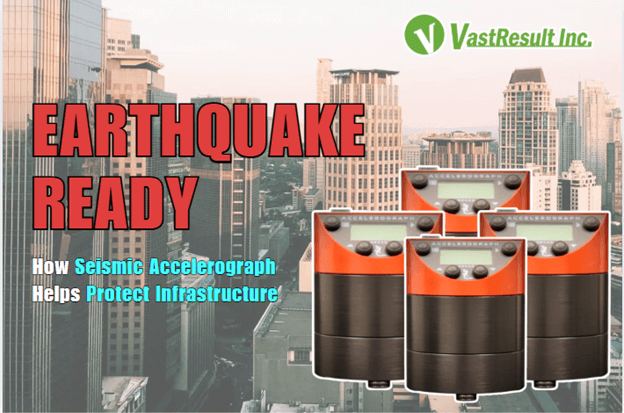
Earthquake-Ready: How Seismic Accelerographs Help Protect Infrastructure
August 27, 2025Earthquake Instrumentation: A Key to Disaster Readiness
August 27, 2025Earthquake-Ready: How Seismic Accelerographs Help Protect Infrastructure
August 27, 2025Earthquake Instrumentation: A Key to Disaster Readiness
August 27, 2025Earthquake-Ready: How Seismic Accelerographs Help Protect Infrastructure
August 27, 2025
Life in Manila is fast, vibrant, and full of energy from the buzz of EDSA traffic to the quiet morning vendors in the barangays. But underneath all this activity is a reality we often overlook: our city is sitting near the West Valley Fault, a fault line that scientists say is due for a strong earthquake.
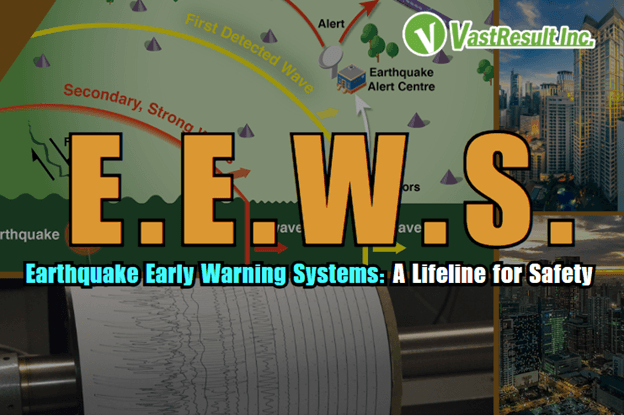
We can’t stop earthquakes from happening, but we can prepare for them. And one powerful way to do that is through Earthquake Early Warning Systems, or EEWS.
Imagine getting a few seconds of advance warning before the ground starts to shake. That may not sound like much, but in an emergency, even 10 seconds can save lives. Trains can stop. Elevators can open on the nearest floor. People can move away from dangerous spots, take cover, or prepare themselves. That’s what an EEWS does, it gives us those precious seconds.
These systems work by detecting the first tremors of an earthquake called P-waves which are quick and don’t usually cause damage. When sensors pick up these waves, they send out a signal before the stronger, more destructive shaking (called S-waves) reaches us.
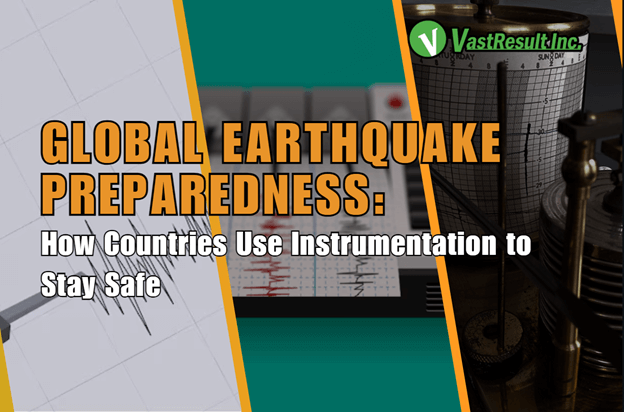
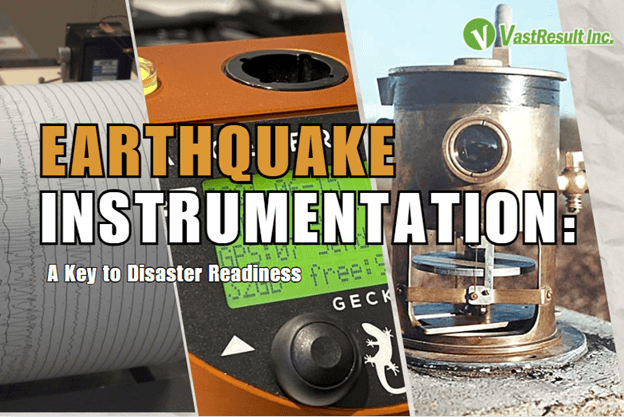
Now, aside from early warnings, there’s another tool helping us understand and prepare for earthquakes: the accelerograph. You can think of it as a high-tech seismograph, like a “black box” for earthquakes. It records how strong the shaking is, how long it lasts, and how the ground moves.
These devices are being placed in key buildings across Manila hospitals, schools, offices, and more. The data they collect helps engineers improve building designs, allows planners to strengthen safety rules, and helps the government develop better response plans. In short, accelerographs help us learn from each quake so we can be better prepared for the next one.
Let’s face it: many parts of Metro Manila are densely packed, with buildings that were built decades ago. While earthquake drills and public awareness are helping, adding a layer of technology to our defenses gives us a better chance to stay safe when the big one hits.
The Philippine Institute of Volcanology and Seismology (PHIVOLCS) is already working hard to improve our earthquake warning system. They’re building more seismic stations, refining models, and partnering with local agencies to make sure alerts are sent out faster and to more people.
No system is perfect, and EEWS can’t predict earthquakes, but it can prepare us for them. As the technology evolves and becomes more integrated with local emergency response protocols, its effectiveness will only grow.
For a bustling metropolis like Manila, Earthquake Early Warning Systems and the use of accelerographs may well be one of the most important safety nets we can invest in.
Stay alert. Stay safe. Know the signs. Manila deserves a fighting chance—technology is giving it one. Contact VastResult at (02) 8404 0740 or email us at sales@vastresult.com.
Related posts