Global Earthquake Preparedness: How Countries Use Instrumentation to Stay Safe
August 27, 2025
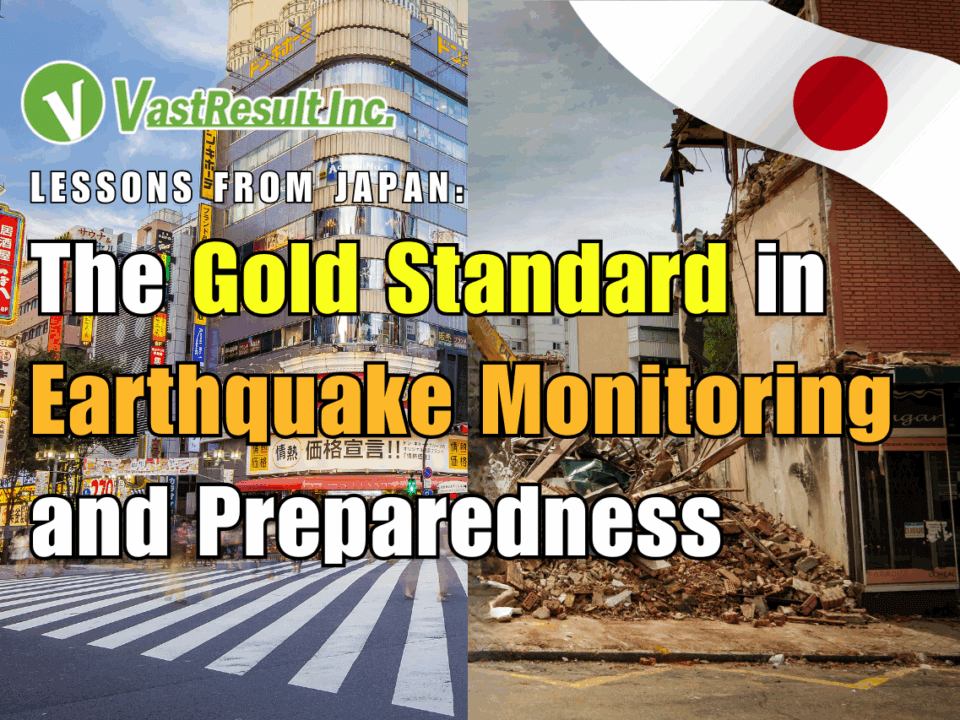
Lessons from Japan: The Gold Standard in Earthquake Monitoring and Preparedness
August 27, 2025Global Earthquake Preparedness: How Countries Use Instrumentation to Stay Safe
August 27, 2025Lessons from Japan: The Gold Standard in Earthquake Monitoring and Preparedness
August 27, 2025Global Earthquake Preparedness: How Countries Use Instrumentation to Stay Safe
August 27, 2025Lessons from Japan: The Gold Standard in Earthquake Monitoring and Preparedness
August 27, 2025
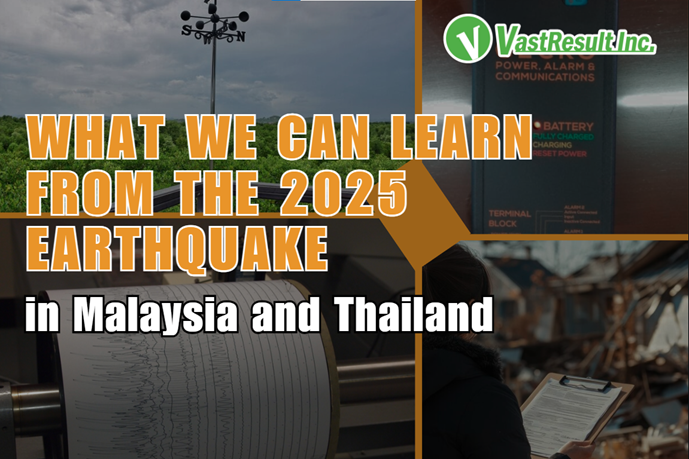
On March 15, 2025, a powerful magnitude 7.1 earthquake struck the border region between northern Malaysia and southern Thailand—an area not commonly associated with major seismic activity. While both countries have experienced moderate quakes in the past, this event was a wake-up call, shaking cities, damaging infrastructure, and disrupting lives across Southeast Asia.
As rescue operations and damage assessments conclude, one question remains: What can we learn from this earthquake to strengthen preparedness across the region?
While countries like Indonesia and the Philippines regularly face seismic risks due to their location on the Pacific Ring of Fire, Malaysia and Thailand have historically been considered lower-risk areas. That perception changed overnight.
The 2025 earthquake, though not the strongest in global terms, was significant due to:
This highlighted the need for countries outside traditional fault zones to invest in earthquake preparedness—before disaster strikes again.
The quake exposed gaps in seismic activity monitoring in Malaysia and Thailand. While some seismic stations were in place, coverage was limited, especially in rural or inland regions. This delayed early warnings and slowed the initial response.
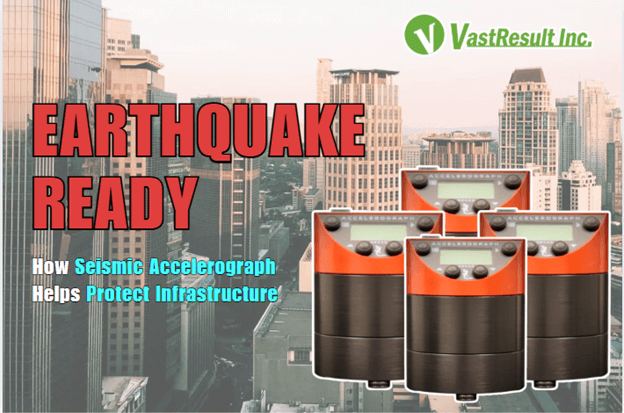
Lesson: Countries throughout Southeast Asia, even those previously considered low-risk, need to invest in seismic monitoring networks, including accelerographs and real-time detection systems, to ensure early warnings and accurate data collection.
Several older structures collapsed or suffered serious damage during the quake, especially in towns not built to withstand strong shaking. In contrast, newer buildings constructed with earthquake-resilient designs performed better.
Lesson: Governments should review and revise building codes using real-world data and global best practices. Countries like Japan and Chile have made seismic resilience a standard—Southeast Asia must follow suit.
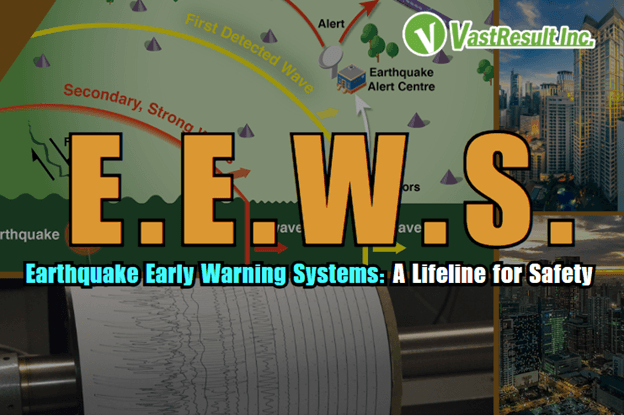
Unlike Japan or Mexico, Malaysia and Thailand lacked robust earthquake early warning systems at the time of the quake. While early warning might provide only a few seconds’ notice, that’s enough to:
Lesson: Investing in real-time earthquake detection systems can drastically reduce casualties and panic during a major event.
The quake revealed varying levels of public preparedness. In some areas, residents knew how to respond; in others, confusion and misinformation caused unnecessary injuries and delays in evacuation.
Lesson: Regular earthquake drills and public awareness campaigns should be part of national safety programs—not only in high-risk zones but in all urban centers.
The 2025 earthquake affected not just Malaysia and Thailand but also neighboring countries like Myanmar and Singapore, which felt the tremors. This highlighted the need for cross-border cooperation in seismic data sharing, emergency planning, and disaster response.
Lesson: Southeast Asian nations should strengthen partnerships through regional bodies like ASEAN to develop unified earthquake disaster management strategies.
For the Philippines, which lies directly on major fault systems, the lessons from Malaysia and Thailand hit close to home. The event reinforces the importance of:
It’s also a reminder that earthquake-prone areas in the Philippines, like Metro Manila and Davao, must maintain a proactive stance—not just with infrastructure but with community engagement and readiness.
The 2025 Malaysia-Thailand earthquake showed us that no region is immune, and that seismic events can strike where they’re least expected. The best defense is data, preparedness, and collaboration.
Countries across Southeast Asia must now ask: Are we ready for the unexpected?
Because when it comes to earthquakes, being surprised is never an option—but being prepared always is.
Contact VastResult at (02) 8404 0740 or email us at sales@vastresult.com.
Related posts