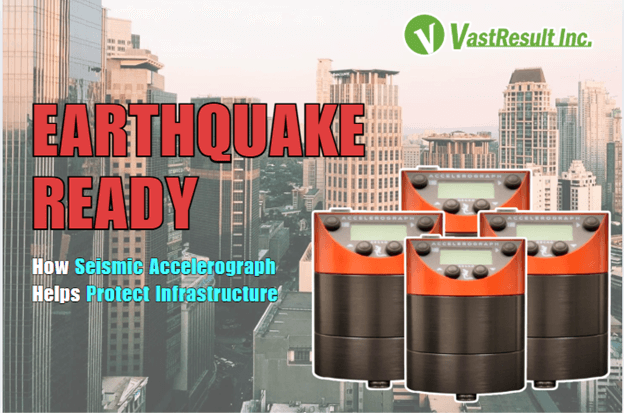
Global Earthquake Preparedness: How Countries Use Instrumentation to Stay Safe


Earthquakes are unpredictable and devastating, shaking the very foundations of cities within seconds. But while we can’t stop them, countries around the world are proving that we can be ready. At the heart of global earthquake preparedness is a critical yet often unseen layer of protection: seismic instrumentation.
From early warning systems to real-time monitoring, nations across the globe are embracing earthquake risk reduction technologies to save lives, protect infrastructure, and bounce back stronger. Let’s explore how the world is using advanced tools and strategies to track seismic activity, assess risks, and prepare for the worst—before it strikes.
Across continents, countries vulnerable to earthquakes have developed vast seismic monitoring systems. These systems typically include:
These technologies form the backbone of earthquake monitoring networks worldwide, providing the real-time data that fuels early warnings, structural safety assessments, and rapid emergency response.
Japan leads the way with its nationwide earthquake early warning system developed by the Japan Meteorological Agency (JMA). This system uses over 1,000 seismic sensors to:
Thanks to these earthquake risk assessment tools, Japan’s population is constantly informed and always ready to act.
Mexico’s SASMEX was the world’s first public seismic activity tracking system, delivering alerts through radio, TV, and city-wide loudspeakers. It proved critical during the 2017 earthquakes, allowing thousands to evacuate buildings moments before major tremors hit.
Mexico’s success story highlights how earthquake disaster management strategies can prioritize both technology and public accessibility.
The U.S. operates the ShakeAlert® system along the West Coast, integrating seismic monitoring networks with infrastructure protocols. Key features include:
These tools support long-term earthquake resilience in infrastructure by guiding updates to building codes and supporting disaster recovery plans.
In Southeast Asia, especially the Philippines, seismic instrumentation is gaining traction. The Philippine Institute of Volcanology and Seismology (PHIVOLCS) is expanding its network of accelerographs and seismometers to cover urban and high-risk zones.
Through these systems, the country can:
As a country built on fault lines, expanding earthquake safety measures in the Philippines is not just practical—it’s life-saving.
What do all these nations have in common? A belief that earthquake-prone regions worldwide must be data-driven and proactive. Instrumentation doesn’t just detect earthquakes—it helps guide smarter decisions:
By combining infrastructure, public education, and earthquake drills and community readiness, countries are creating a culture of preparedness—built on science.
No region is immune to seismic risk. But through global seismic instrumentation technology, international earthquake safety measures, and strong public cooperation, nations are turning the tide against one of nature’s most sudden threats.
Whether you live in Tokyo, Mexico City, San Francisco, or Manila, one thing is clear: real-time data is our strongest defense. The world is getting smarter—and safer—thanks to the silent work of seismic instruments and the people who use them.
Because the more we measure, the better we can protect. Contact VastResult at (02) 8404 0740 or email us at sales@vastresult.com.