Key Considerations for Choosing the Right Structured Cabling System for your Company in the Philippines
December 26, 2024
How Starlink is Bridging the Connectivity Gap Across the Philippine Islands
July 15, 2025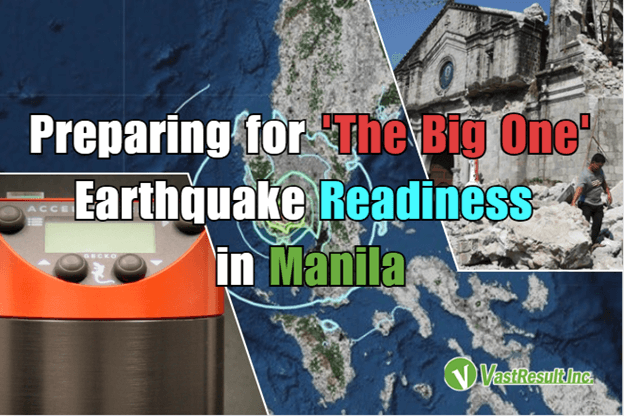
Living in Metro Manila, you’re probably familiar with the looming threat of “The Big One”—a potentially devastating magnitude 7.2 earthquake that could be triggered by the West Valley Fault. Experts from PHIVOLCS (Philippine Institute of Volcanology and Seismology) warn that it’s not a question of if, but when this quake will occur.
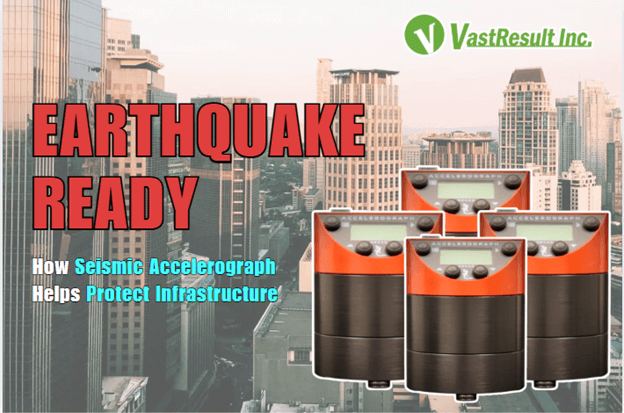
While disaster drills, emergency kits, and retrofitting buildings are key parts of readiness, there’s another tool playing a crucial behind-the-scenes role in making the Philippines earthquake-resilient: the accelerograph.
What is an Accelerograph?
An accelerograph is a seismic instrument that records ground acceleration during an earthquake. Unlike seismographs that track long-term vibrations over time, accelerographs are built to detect sudden, strong ground motion—exactly what happens during intense quakes like “The Big One”.
Think of it as a high-tech earthquake “black box” it captures real-time data that engineers, scientists, and disaster agencies use to:
- Analyze the intensity and impact of ground shaking
- Improve building codes and structural designs
- Predict aftershock behaviors
- Help authorities respond faster and smarter after a quake
How Accelerographs Help Manila Prepare for “The Big One”
📍 1. Mapping Ground Shaking in High-Risk Areas
In Metro Manila, PHIVOLCS and local agencies have installed accelerographs in key locations such as schools, hospitals, bridges, and government buildings. These devices provide critical data showing which areas are most vulnerable to strong shaking, helping urban planners prioritize safety upgrades.
🏗️ 2. Guiding Safer Construction and Retrofitting
Engineers use accelerograph data to understand how structures respond to different intensities of shaking. This information leads to better structural design standards and helps evaluate whether older buildings can withstand future quakes.
For example, if a building in Makati shows excessive acceleration readings during a moderate quake, engineers know it may need urgent reinforcement before a stronger one hits.
🛰️ 3. Improving Early Warning and Response
Some accelerographs are part of earthquake monitoring networks that can trigger early warning systems, giving people valuable seconds to take cover or shut down critical systems (like elevators, gas lines, and power grids). In the future, this can help save countless lives in cities as dense as Manila.
What You Can Do at Home
Even with advanced technology like accelerographs working in the background, personal preparedness is still essential.
✔️ Here’s your earthquake readiness checklist:
- ✅ Secure heavy furniture and appliances to walls
- ✅ Prepare a “Go Bag” with essentials (water, food, medicine, flashlight, etc.)
- ✅ Know your home’s structural integrity especially if you live near the fault line
- ✅ Practice regular “Drop, Cover, and Hold” drills
- ✅ Stay informed via PHIVOLCS and disaster apps
- ✅ Learn how to turn off electricity, gas, and water in your home
Final Thoughts: Tech + Action = Resilience
The threat of “The Big One” is real but with the help of technology like accelerographs, the Philippines is becoming more equipped to face it. Still, the most powerful tool is knowledge and action.
🏡 A prepared community is a safe community. Don’t wait for the ground to shake—take steps now, and help build an earthquake-ready Manila.
📞 Contact us today (02) 8404 0740 or email sales@vastresult.com for expert support in designing and installing reliable earthquake recording instrumentation and integrated cabling systems tailored to your operational needs.