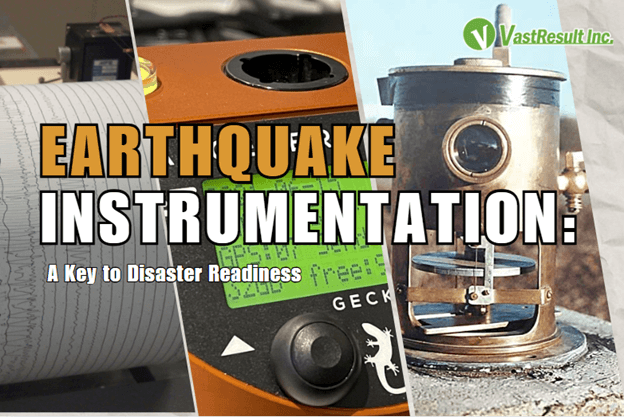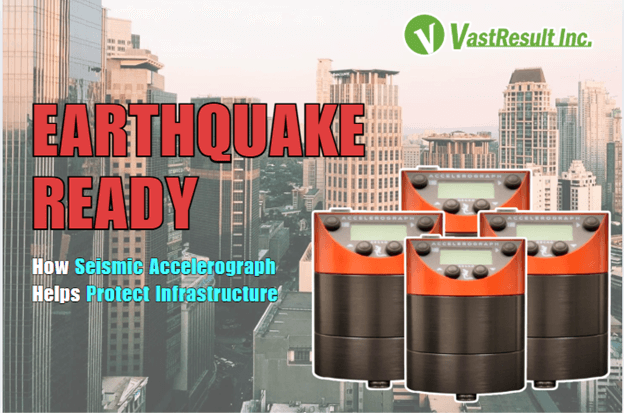
Earthquake Instrumentation: A Key to Disaster Readiness


Metro Manila is a vibrant and bustling urban hub—but it also sits dangerously close to the West Valley Fault, one of the most active and potentially destructive fault lines in the Philippines. As experts continue to warn about the likelihood of a major earthquake, often referred to as “The Big One“, the call for disaster preparedness becomes louder and more urgent.
While earthquake drills, go-bags, and emergency plans are vital, there’s another critical component in our readiness strategy that often operates behind the scenes: earthquake instrumentation—especially the use of accelerographs.
Earthquake instrumentation refers to a network of seismic monitoring tools installed to detect and record earthquake activity. These include:
For an urban metropolis like Manila, earthquake instrumentation is not a luxury—it’s a necessity.
Among all seismic instruments, the accelerograph is especially critical for cities like Manila. These devices are designed to record high-intensity ground shaking, particularly the kind that causes buildings to crack, tilt, or collapse.
Here’s why they matter so much:
Accelerographs installed in buildings and key locations throughout Metro Manila help identify which areas shake the hardest during seismic events. This real-world data is crucial for:
After an earthquake, accelerographs provide data on how buildings behaved during the shaking. This allows engineers to:
In a densely built city like Makati or Ortigas, this data could save hundreds of lives.
Data from accelerographs help update the National Structural Code of the Philippines (NSCP), making future construction more resilient to quakes. With Manila’s ever-growing skyline, this has never been more important.
Accelerographs help emergency teams prioritize search-and-rescue efforts. They indicate where the most severe shaking occurred, helping teams deploy resources faster and more efficiently—especially critical in a congested city like Manila.
To maximize their impact, accelerographs should be placed in:
Government agencies like PHIVOLCS, in collaboration with local government units (LGUs), are working to expand the accelerograph network—but more awareness and investment are needed to accelerate this effort.
While retrofitting old structures and enforcing building codes are critical, data-driven disaster readiness is what truly builds resilience. Earthquake instrumentation, especially the use ofaccelerographs, gives us the real-time knowledge needed to:
Metro Manila is not just facing an earthquake risk—it’s sitting on top of it. As the population grows and high-rises multiply, we must match development with disaster preparedness. Earthquake instrumentation is not a passive measure—it’s an active shield.
📉 Accelerographs may be invisible to the public—but their data is the foundation of survival.
Let’s support efforts to equip our city with the tools it needs. The more we measure, the more we can protect. Contact VastResult at (02) 8404 0740 or email us at sales@vastresult.com.